
Blog
- ㅤ
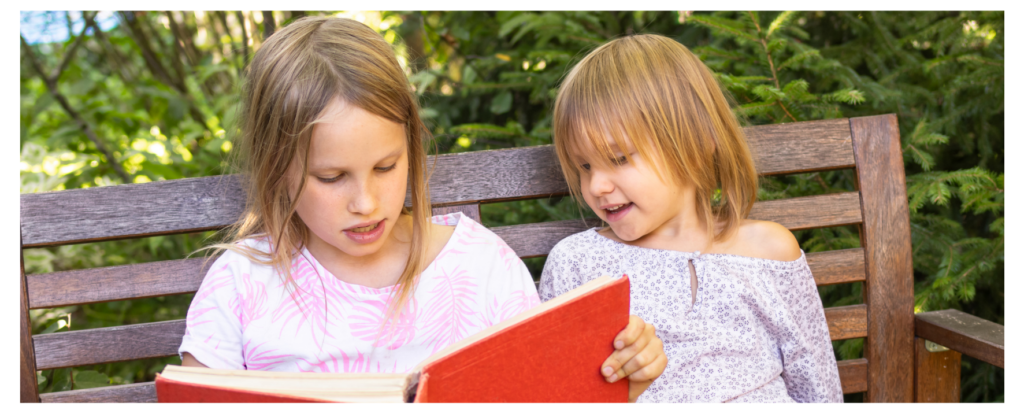
Reading Aloud for Children – Why It Still Matters at Age 7–10
Many parents assume that once children learn to read independently, reading aloud for children is no longer necessary. However, especially between the ages of 7 and 10, shared reading still plays an important role in building confidence, strengthening language skills, and creating a positive connection to books.
Reading aloud for children allows them to experience stories without the pressure of reading every word correctly. Instead of focusing on decoding text, they can fully engage with characters, emotions, and storytelling, which often makes reading feel more enjoyable and less demanding.
For many children, reading aloud also creates a sense of connection. Sitting together, listening to a story, and sharing reactions can turn reading into a warm and meaningful moment. These shared experiences often help children associate books with comfort, attention, and positive emotions.
In addition, reading aloud for children can support those who feel overwhelmed by reading tasks at school. It gives them the opportunity to enjoy stories at their own pace while still improving their understanding of language, rhythm, and expression.
However, reading aloud does not have to follow strict routines. In many families, it works best when it feels natural, flexible, and relaxed, a few pages in the evening, a shared chapter on the sofa, or a quiet moment at the end of the day.
In many cases, reading aloud for children becomes the bridge between learning to read and truly enjoying books. It helps children develop confidence while keeping the emotional connection to stories alive.
In the end, reading aloud for children is not something that ends once a child can read alone. It is often the key to helping them build a lasting relationship with books.
- ㅤ
Why Funny Books for Children Can Spark a Love of Reading
Many parents search for funny books for children when they notice that reading feels more like a task than something enjoyable. The good news is that humour can be one of the most powerful ways to build reading motivation, because it makes stories feel light, engaging, and emotionally rewarding.
Funny books for children often create an immediate connection through playful characters, unexpected situations, small disasters, and a sense of chaos that feels exciting rather than overwhelming. This kind of storytelling naturally draws children in and keeps them curious about what will happen next.
For reluctant readers, funny books for children can make a real difference. They lower resistance, reduce pressure, and shift the focus away from performance toward enjoyment. Instead of worrying about reading correctly, children begin to read because they want to continue the story.
However, humour does not mean a lack of depth. Many well-written children’s books combine funny moments with friendship, emotional warmth, and meaningful themes. This balance helps children connect not only with the story, but also with the characters and their experiences.
In many cases, funny books for children are the starting point for a stronger reading habit. Once children associate reading with positive emotions, they are far more likely to return to books again and again.
In the end, funny books for children are not just entertaining, they are often the key to helping children discover that reading can be something they truly enjoy.
- ㅤ

How to Encourage Children to Read – Without Pressure
Many parents are looking for ways to encourage children to read, especially when reading starts to feel like a task rather than something enjoyable. The truth is that reading motivation in children rarely grows through pressure or correction, but through the right atmosphere, engaging stories, and a sense of curiosity that invites them into the world of books.
One of the most important aspects when trying to encourage children to read is choosing the right kind of book, not necessarily the perfect reading level, but something engaging, funny, visually interesting, sometimes a little chaotic, sometimes fast-paced, often built around recurring characters or adventurous situations. Books for reluctant readers often work best when they feel light, entertaining, and accessible rather than overly educational or demanding.
Reading should feel like discovery, not correction, because as soon as reading becomes mainly about mistakes, school performance, or constant improvement, many children lose interest. Encouraging children to read means allowing space for imperfection, for laughter, for curiosity, and for stories that simply feel good.
Short, relaxed reading moments are often more effective than structured routines, a few minutes in the evening, a shared moment on the sofa, reading together without pressure or expectations. Children also respond strongly to choice, whether that means choosing their own books, picking topics they enjoy, or deciding how and when they want to read.
A gentle way to encourage children to read is to include humour, because funny books for children often remove resistance, build emotional connection, and create genuine engagement. When children laugh, they stay, they continue, they want to know what happens next.
Children also notice how adults relate to reading, whether books are part of everyday life, whether reading feels enjoyable, calm, interesting, or simply present. Encouraging children to read is not about creating perfect readers, but about creating positive experiences with books.
In the end, encouraging children to read doesn’t require perfection. It often begins with one story, one moment, one book that arrives at exactly the right time.
Discover My Children’s Comic Series
If you enjoy funny children’s stories, recurring characters, and adventurous book worlds, feel free to explore more of my work here on the website.
- ㅤ
Reading for Kids: Why Stories Matter
Reading for kids matters more than ever in today’s changing world. Learning happens in many places—at home, in classrooms, and during times of unexpected change.—at home, in classrooms, and sometimes during periods of unexpected change. Whether a child is just starting preschool or adjusting to new routines after a school closing, one thing remains constant: the power of reading.
Stories give children stability when their environment shifts. They offer comfort, imagination, and a sense of continuity—especially for kids between 4 and 11, who are developing language skills, emotional awareness, and confidence as readers.
Why Reading for Kids Builds Confidence from Preschool On
Early exposure to books and stories in preschool helps children connect words with meaning and emotions. As they grow, reading supports concentration, empathy, and independent thinking. That’s why engaging, age-appropriate material is so important.
My comic series is designed specifically for children aged 4–11. By combining visual storytelling with simple, meaningful text, the stories encourage young readers without overwhelming them. Comics are especially effective for early readers and for children who may be spending more time learning at home during changing school routines.
Stories That Support Emotional Growth
Reading isn’t just about literacy—it’s about understanding the world. Through relatable characters and everyday challenges, children learn about friendship, courage, and problem-solving. In times of transition, whether during a school closing or a new phase of learning, familiar stories provide reassurance and structure.
Discover My Children’s Comic Series
My goal is to create stories that children love returning to—stories that support learning, spark imagination, and build confidence at every stage of childhood.
My comic series Three Men in Cars shows how reading for kids can be engaging, comforting, and easy to enjoy—especially during changing school routines.
- ㅤ

The Literacy Crisis – and How 10 Minutes a Day Could Change Everything
The World Bank recently warned of a global literacy crisis: millions of children around the world can’t read properly, even though they go to school every day. In the United States, more than 60% of fourth graders are considered “not proficient” in reading.
That’s alarming — but there’s hope. Reading is the foundation for all other learning, and fixing this crisis may be easier than we think.
Why children are reading less
Over the past decade, children’s reading habits have changed dramatically. Fewer kids read “for fun.”
Why? Because screen time has replaced story time. Because schedules are packed. Because parents read less, too.The result: less reading, less skill, less joy.
The good news: Reading works like a muscle
Reading is like a muscle — the more you use it, the stronger it gets.
Just 10 minutes a day can improve focus, boost vocabulary, and strengthen comprehension.Research shows that six minutes of reading can reduce stress more than music or walking, and that children who are read to daily hear over a million more words before starting school.
Small steps make a big difference.
What parents can do
- Read for 10 minutes a day. A comic, a few pages, a funny story — it all counts.
- Let kids choose. Adventure, humor, travel — the best book is the one they actually want to read.
- Read together. Children who see their parents reading are far more likely to read themselves.
- Make it a habit. A few minutes before bed or after breakfast is enough.
Reading as a life skill
In a world of scrolling and short attention spans, reading teaches patience, empathy, and imagination — skills that build strong minds and strong hearts.
Kids who read understand others better, communicate more clearly, and think more deeply. Reading doesn’t just fill time — it shapes who they become.
The bottom line
The literacy crisis is real, but not irreversible.
We don’t need massive reforms — we just need to open a book every day.Ten minutes of reading isn’t a burden.
It’s an invitation — to dream, to grow, and to connect.And those ten minutes can change a child’s life.